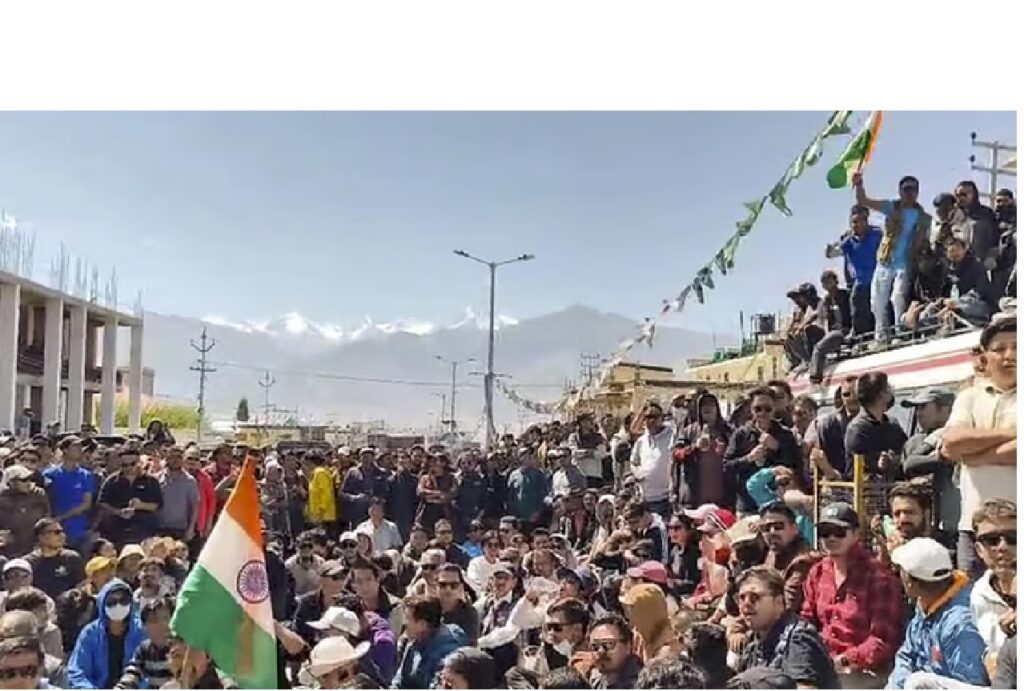
Youth Feared Killed: Sonam Wangchuk Condemns Violent Turn in Ladakh Protests
In a shocking revelation that has sent shockwaves across the nation, renowned climate activist and education reformer Sonam Wangchuk has condemned the recent violent turn in Ladakh protests, revealing that 3-4 youth are feared killed in the clashes. What began as a peaceful Gen-Z revolution for environmental protection and constitutional safeguards has taken a tragic turn, raising serious concerns about the handling of the protests and the future of the region. This blog post brings you the complete story behind the escalating situation in the Himalayan region.
What Sparked the Ladakh Protests? Understanding the Gen-Z Revolution
The current wave of protests in Ladakh isn’t sudden but stems from long-standing concerns:
Environmental Protection: Demands for safeguarding Ladakh’s fragile ecosystem from industrial exploitation
Constitutional Safeguards: Seeking Sixth Schedule status to protect land, culture, and identity
Youth Unemployment: Lack of job opportunities despite educational advancements
Resource Rights: Concerns about outside control over local resources and tourism
The movement has been largely led by educated youth, earning it the name “Gen-Z Revolution.”
Sonam Wangchuk’s Emotional Statement: Key Revelations
In his recent statement, Wangchuk made several alarming disclosures:
Casualty Figures: Revealed that 3-4 young protestors are feared killed in the violence
Condemnation of Violence: Strongly criticized the use of violent methods from any side
Appeal for Peace: Urged all parties to return to peaceful dialogue
Government Response: Expressed disappointment in the handling of the situation
His statement highlights the gravity of the situation that has been largely underreported in mainstream media.
The Human Cost: Stories from the Ground
Behind the statistics are real stories of affected families:
Parents waiting anxiously for news about their children
Students who began protesting for their future now facing grave danger
Local communities torn between supporting the cause and fearing violence
Healthcare workers dealing with the aftermath of clashes
National and International Reactions
The situation has drawn attention from various quarters:
Political Parties: Opposition leaders demanding parliamentary discussion
Human Rights Organizations: Calling for independent investigation
International Observers: Expressing concern about the environmental aspects
Academic Community: Solidarity statements from universities across India
Historical Context: From Peaceful Protests to Violence
This isn’t the first time Ladakh has seen protests, but the scale and intensity are unprecedented:
2019: Protests after the abrogation of Article 370
2020: Demands for Sixth Schedule status
2022: Climate marches and environmental activism
2023: Escalation of youth-led movements
Frequently Asked Questions (FAQ)
Q1: What exactly did Sonam Wangchuk reveal about the Ladakh protests?
Ans: Wangchuk revealed that 3-4 youth are feared killed in the recent violent clashes during the Ladakh protests.
Q2: What are the main demands of the Ladakh protestors?
Ans: The main demands include environmental protection, Sixth Schedule status, job opportunities, and resource rights.
Q3: How has the government responded to the situation?
Ans: The government response has been criticized as inadequate by the protestors, with calls for more constructive dialogue.
Q4: What is the “Gen-Z Revolution” in Ladakh?
Ans: It refers to the youth-led movement focusing on environmental protection and constitutional safeguards for Ladakh.