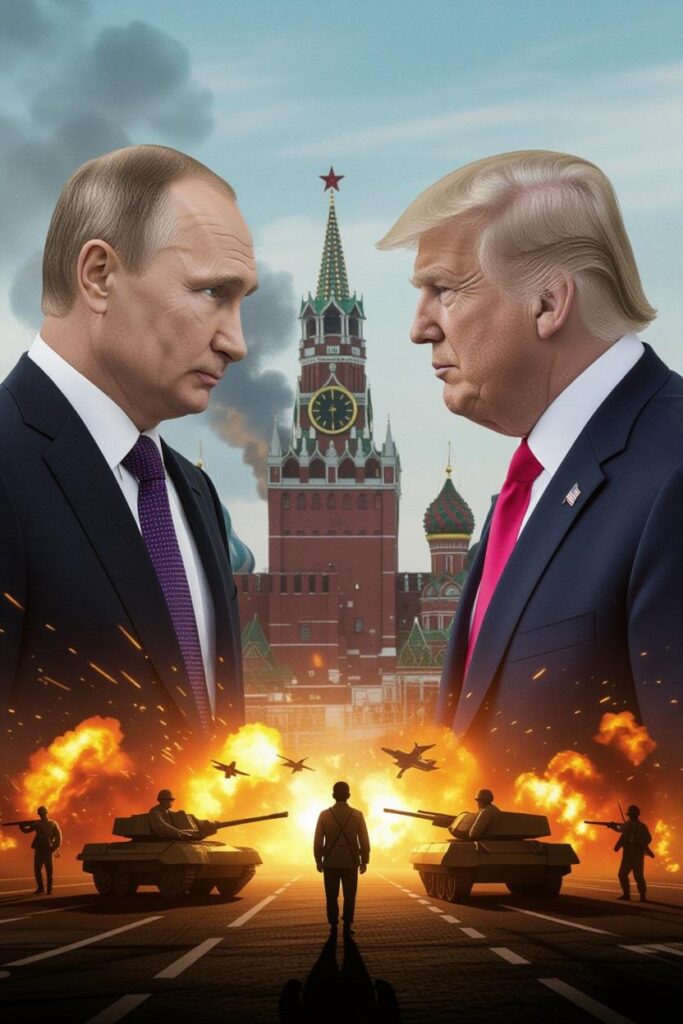
World War III Warning: Russian General Names Likely Targets – Poland First in Line?
In a chilling escalation of rhetoric that has sent shockwaves through international diplomatic circles, a high-ranking Russian general has openly discussed potential targets in what he described as a possible World War III scenario. The statements, coming amid ongoing tensions in Ukraine and increasing NATO-Russia friction, have raised alarms about how Moscow might escalate current conflicts into a broader global confrontation. This exclusive analysis breaks down the general’s specific claims and what they mean for international security.
Who Made the Statements and What Exactly Was Said?
The controversial statements came from a senior Russian military official during a recent security briefing. While official transcripts remain limited, multiple international media outlets have reported the core claims:
Primary Target Identification: Poland was specifically named as a likely first target
European Expansion: Other Eastern European nations were mentioned as subsequent targets
Strategic Justification: Claims about “denazification” and “demilitarization” similar to Ukraine rhetoric
Nuclear Implications: Veiled references to Russia’s nuclear doctrine
The general reportedly framed these potential actions as “defensive measures” against NATO expansion.
Why Poland? Understanding the Strategic Significance
Poland’s mention as a primary target isn’t random but stems from several strategic factors:
NATO’s Eastern Flank: Poland represents NATO’s most significant eastern presence
Military Support Hub: Serves as a crucial logistics hub for Western aid to Ukraine
Historical Tensions: Long-standing historical conflicts between Poland and Russia
Geographic Position: Gateway to Western Europe for any east-west conflict
Immediate International Reactions and Responses
The statements have triggered swift responses from global leaders:
NATO Headquarters: Emergency discussions about enhanced eastern flank security
Polish Government: Heightened military alertness and diplomatic protests
European Union: Calls for emergency security council meetings
United States: State Department condemnation and reassurance to allies
United Nations: Expressions of concern about escalating rhetoric
Historical Context: From Cold War to Current Tensions
This isn’t the first time such warnings have emerged:
Cold War Era: Similar nuclear brinkmanship during Cuba Missile Crisis
2014 Crimea Annexation: Warnings about NATO expansion consequences
2022 Ukraine Invasion: Previous nuclear saber-rattling
Current Escalation: Most specific targeting claims to date
Military Analysis: Credibility of the Threats
Experts are divided on how seriously to take these statements:
Some analysts see this as psychological warfare
Others warn about preparation for actual conflict escalation
Military readiness indicators being closely monitored
Intelligence agencies tracking Russian troop movements
Potential Global Impact and Economic Consequences
A broader conflict would have devastating effects:
Energy Markets: Further disruption to global oil and gas supplies
Food Security: Impact on Ukrainian grain exports worsening global hunger
Refugee Crisis: Millions more displaced across Europe
Economic Sanctions: Deeper economic warfare between the West and Russia
Frequently Asked Questions (FAQ)
Q1: Which Russian general made these statements?
Ans: Reports indicate a senior general in Russia’s military command structure, though exact identification varies across sources.
Q2: How likely is World War III, according to experts?
Ans: Most experts consider full-scale global war unlikely but warn that accidental escalation remains a significant risk.
Q3: What should citizens inthe mentioned countries do?
Ans: Currently, governments advise calm while monitoring official security guidance and emergency protocols.
Q4: How has NATO responded to these threats?
Ans: NATO has reinforced eastern flank defenses while emphasizing defensive posture and dialogue openness.