How Nepal’s “Nepo Kids” Triggered a Gen Z Uprising
What Are the “Nepo Kids” & Why Did They Matter?
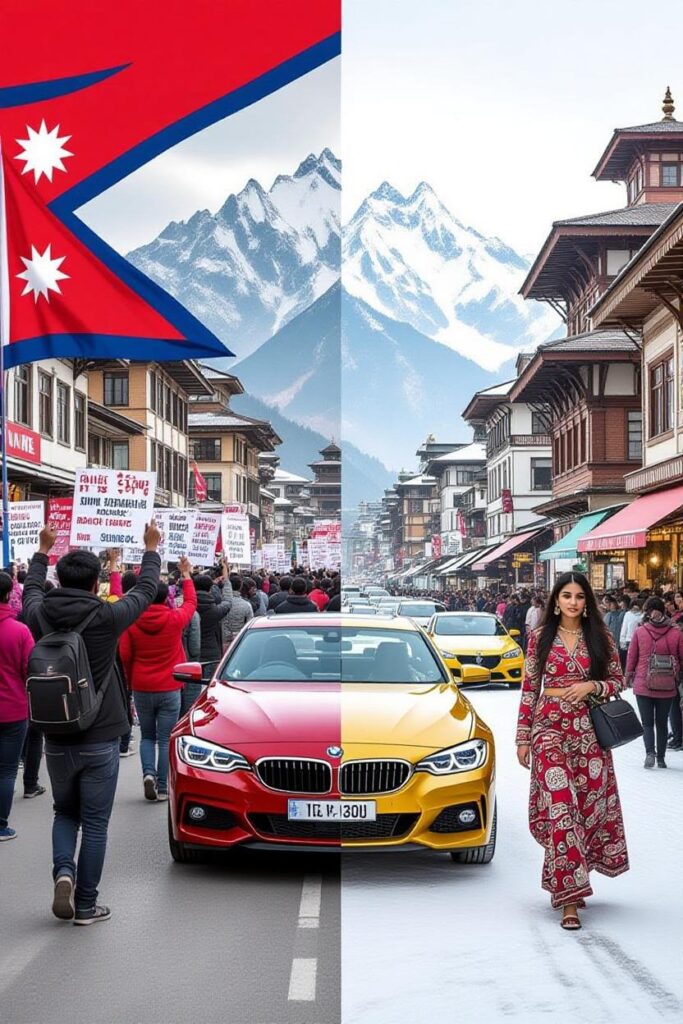
In Nepal, recent protests have been driven by young people—mostly Gen Z—who are furious at perceived corruption, inequality, and political privilege. One of the flashpoints: the lavish lifestyles of children from political families (nicknamed “nepo kids”) flaunting designer handbags, luxury cars, foreign travel, and exotic vacations on social media. Meanwhile, many Nepalese live with unemployment, poverty, high inflation, and unstable infrastructure. This stark contrast ignited public rage.
These posts, photos, and videos weren’t just gossip—they became symbols. Symbols of how entrenched social privilege seems to operate in Nepal. And once the youth saw what they saw, the outrage rapidly went from online to the streets.
The Spark – Social Media Ban, Corruption & Deadly Clashes
Several things came together to push ordinary dissatisfaction into mass protest:
- The government temporarily banned 26 major social media platforms (Facebook, Instagram, X, YouTube, etc.), citing regulation. To many, this looked like censorship.
- Viral posts and hashtags like #NepoKids, #NepoBabies, and PoliticiansNepoBabyNepal amplified stories of privilege and anger. Images of elite lifestyles juxtaposed with everyday hardship stoked resentment.
- On the ground, protests turned violent. Many buildings, including politicians’ homes, hotels, government offices — and even Nepal’s Parliament — were set on fire or vandalised. Over 30 people died; hundreds were injured. Prime Minister KP Sharma Oli eventually resigned.
Gen Z’s Role & What They Demand
This isn’t just about resentment—it feels like a broader demand for change. Gen Z protesters are making clear demands:
- Transparency & accountability from political elites
- End to nepotism—not just in optics, but in real power and opportunity
- Freedom of expression and digital rights (no bans just to silence dissent)
- Economic opportunities: jobs, fairness, services
These demands are being voiced both online (via social media, by hashtags) and offline (marches, sit-ins, confrontations).
The Fallout & Political Impact
Because of the protests:
- PM KP Sharma Oli resigned.
- The government partially reversed its moves (e.g., lifting social media bans) to try to calm tension.
- Public debate on corruption, privilege, and the role of elite children in politics intensified. Even people previously less political are now talking about accountability.
- Risk of longer-term instability, especially if the promise of change doesn’t follow.
FAQ
Q1: Who are the “Nepo Kids” in Nepal?
A1: They are the privileged children of politicians, bureaucrats, and wealthy families who often flaunt their luxury lifestyles online.
Q2: Why is Gen Z protesting against them?
A2: Nepal’s youth are angry over inequality, unemployment, and corruption. The extravagant lives of Nepo Kids highlight the growing divide between elites and ordinary citizens.
Q3: How did social media fuel the protests?
A3: Platforms like TikTok and Instagram exposed the luxury lifestyles of elites, making the inequality more visible and sparking mass outrage.
Q4: What do the youth want from the government?
A4: They demand transparency, equal opportunities, and stricter action against corruption and nepotism.
Q5: Is this just a youth issue or a national issue?
A5: While led by Gen Z, the protests represent a larger national struggle against inequality and corruption that affects all citizens.