Oh man, where do I even start with *Kantara Chapter 1*? It’s October 7, 2025, and I’ve just stumbled out of a morning show in Mumbai, my head still buzzing from those thunderous drumbeats and Rishab Shetty’s earth-shaking roars. Released just five days ago on October 2, this prequel has already clawed its way to over ₹270 crore worldwide, with whispers of crossing ₹300 crore by week’s end. Starring Rishab as the fierce Shiva alongside the luminous Rukmini Vasanth, veteran Jayaram, and a menacing Gulshan Devaiah, it’s not just a film—it’s a seismic shift back to the Kadamba dynasty era, unearthing the primal roots of Tulu Nadu’s folklore. Shot in seven languages from Kannada to English, it’s got multiplexes from Mangalore to Manhattan chanting “Goli Mara” like a war cry. I remember the original *Kantara* in 2022 hitting me like a monsoon—raw, ritualistic, and utterly unapologetic about its love for the land’s spirits. This chapter? It digs deeper, blending high-octane action with those hypnotic Bhoota Kola sequences that make your spine tingle.
But here’s the twist that’s got everyone talking: the frenzy spilling out of screens and into streets. Viral videos are everywhere—fans in full Daiva regalia storming Tamil Nadu theaters, painted faces twisting into trance-like grimaces, whipping up impromptu possession dances in lobbies and aisles. One clip I saw on Instagram shows a group outside a Hyderabad multiplex, mimicking the film’s climactic ritual with such fervor that traffic halts, horns blaring in rhythm. Another from Chennai has a lone fan, decked in that iconic pig-headed Panjurli mask, leaping onto seats mid-interval, crowd erupting in cheers. It’s electric, right? That pure, unfiltered joy of a blockbuster igniting souls. Social media’s exploding with #KantaraFever and #DaivaDance, racking up millions of views. As someone who’s chased that high at rock concerts and film fests, I get it—it’s the closest we civilians get to divine madness.
Yet, scroll a little further, and the comments turn thorny. “This isn’t Halloween cosplay; it’s our gods you’re toying with,” fumes one Tulu community member. “Harmless fun? Tell that to the elders who see their faith mocked.” The divide is stark: Gen Z hailing it as “epic fan tribute,” while cultural guardians cry sacrilege. And just when the debate simmered, Hombale Films—the visionary banner behind the *Kantara* saga—dropped a statement that’s as poetic as it is pointed. Shared on X yesterday, it’s a masterclass in balancing gratitude with gravity, clocking in at a heartfelt 200 words that read like a village elder’s wisdom.
“To the cinephiles and the global audience,” it opens, framing *Dhaivaradhane*—the film’s pulsating heart of Daiva worship—as “a profound symbol of faith and cultural pride within Tulunadu, the coastal region of Karnataka.” They tip their hats to the love that’s propelled their vision worldwide: “Our films… were created with the purpose of respectfully portraying this devotion and celebrating the glory of the Daivas. We have strived tirelessly to ensure that the profound respect and unwavering devotion central to Dhaivaradhane were honoured, successfully spreading the significance and heritage of the Tulu soil with the world.” It’s a nod to how *Kantara* didn’t just win National Awards; it sparked global curiosity about Bhoota Kola, turning obscure rituals into TED Talk fodder.
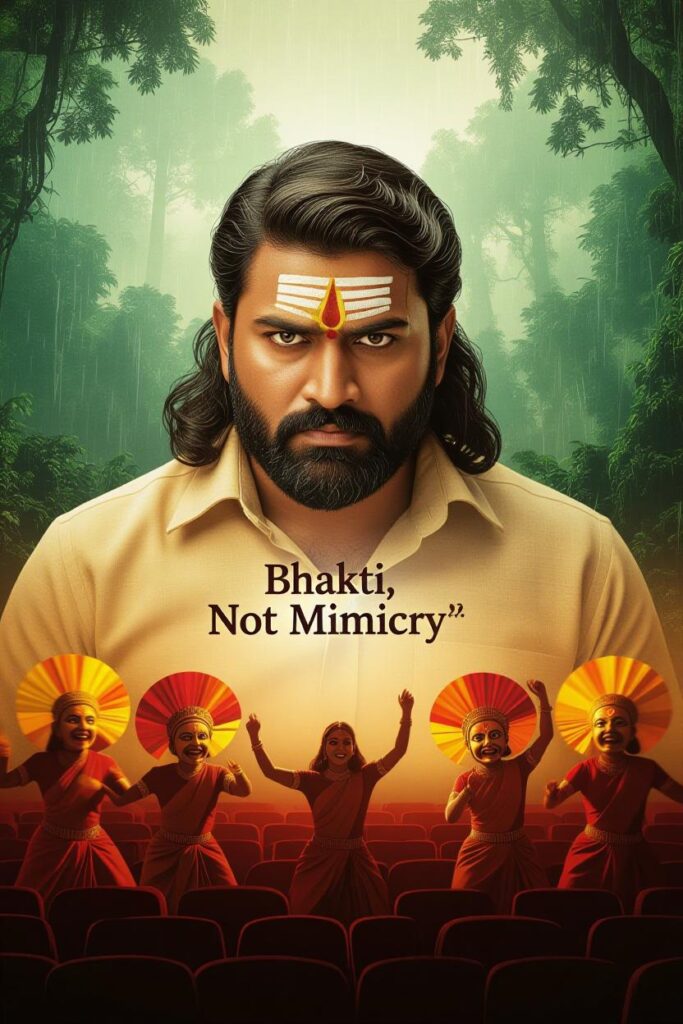
But then, the gentle pivot: “We are deeply grateful for the overwhelming positive response. However, we have observed that certain individuals have been imitating the Daiva characters from the movie and engaging in inappropriate behaviour in public spaces and gatherings.” Boom. They don’t name names or shame clips, but it’s crystal clear. The core plea? “Dhaivaradhane or Daiva worship, as featured in our film, is rooted in deep spiritual tradition and is not intended for performance or casual mimicry. Such acts amount to trivialising our belief system and deeply hurt the religious sentiments and faith of the Tulu community.” Ouch, but fair. In Tulu Nadu, Daivas aren’t movie props—they’re living deities, invoked in annual *Buta Kola* ceremonies for justice, healing, and harmony with nature. Rishab, who grew up in Udupi soaking in these vibes, trained under real performers for authenticity. Remember his month-long immersion for the first film? This isn’t fiction; it’s folklore breathed into life.
The statement seals with an appeal that’s pure class: “Hombale Films therefore makes a strong and sincere appeal to the public and audiences to refrain from any act that involves imitating, mimicking, or trivializing the Daiva personas—whether in cinema halls or in public places. The sacred nature of Dhaivaradhane must always be upheld. We urge all citizens to recognize the spiritual importance of these portrayals and act responsibly, ensuring that the devotion we sought to celebrate is never compromised or treated lightly.” Reading it, I felt a pang—not anger, but a reminder of cinema’s power and peril. We’ve seen this before: *RRR*’s fire dances turning into unsafe stunts, *Baahubali*’s swordplay inspiring reckless cosplays. But *Kantara* cuts deeper because it’s hyper-local, tied to a minority community’s pulse. The Tulu people, with their ancient Dravidian roots, have guarded these traditions against colonial erasure and modern dilution. One viral backlash video features a village shaman tearing up: “Our Daivas protect us; don’t make them puppets for likes.”
As the film’s numbers soar—day-one ₹50 crore, steady climbs fueled by word-of-mouth— this appeal feels timely. It’s not about dousing the fire; it’s about channeling it right. Rishab himself echoed this in a pre-release chat, saying, “We made this to honor, not Hollywood-ize, our gods.” Fans are responding too: Some theaters now flashing disclaimers, influencers pivoting to respectful tributes like folk song covers. Me? I’ll blast the soundtrack on my commute, debate Shiva’s arc with my cinephile buddies over chai, but those Daiva moves? Best left to the masters in the misty groves of Dakshina Kannada.
This saga got me pondering fandom’s fragile line. In our reel-hungry world, where a 15-second clip can birth trends overnight, sacred stories risk becoming spectacles. Yet, *Kantara*’s triumph lies in its restraint—ecology woven with ecstasy, man versus myth without mockery. As it hurtles toward franchise glory (Rishab’s teased a Chapter 2 already), let’s lean into the lesson: Celebrate loud, but listen louder. What’s your take—does mimicry kill the magic, or amp it up? Hit the comments; let’s unpack this ritual together.