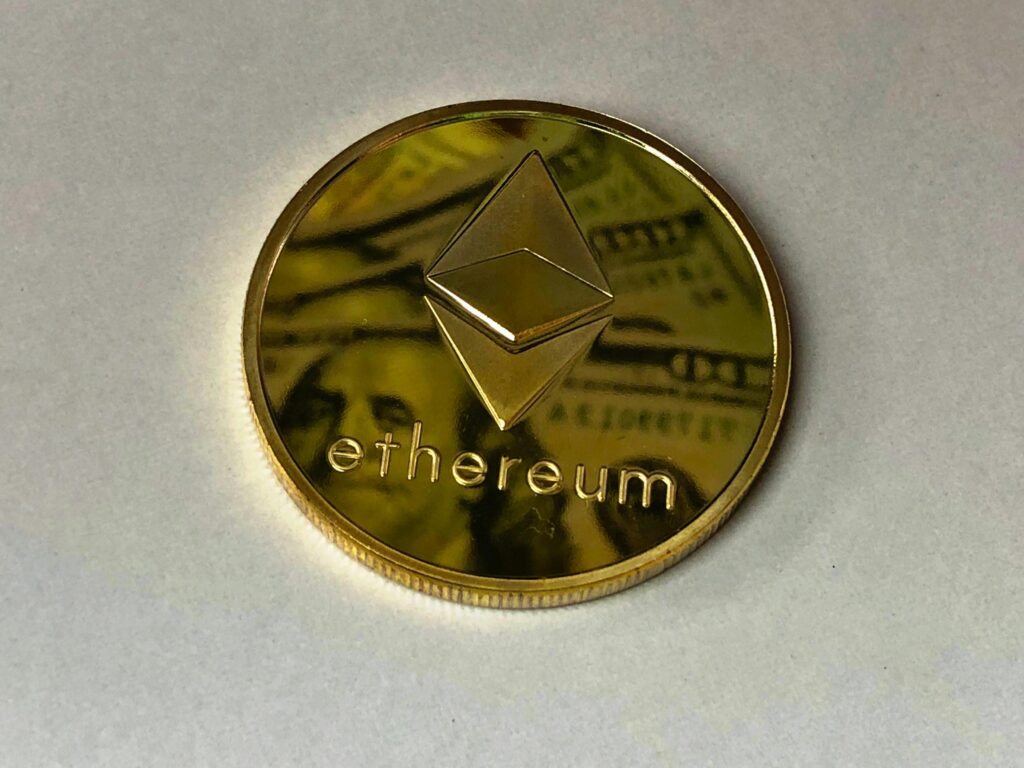
From $1,000 to $11,145 — The Ethereum Explosion
If you had invested just $1,000 in Ethereum back in early 2020, you’d now be looking at a jaw-dropping $11,145—an 11x return over five years, despite all the highs and lows along the way. Even more astonishing: a $1,000 bet in 2015, when ETH was hovering near $1.27, would today be worth nearly $3.4 million.
Ethereum’s sterling performance highlights its utility as much as its volatility. From powering the NFT craze and DeFi boom to transitioning to proof-of-stake and enabling institutional access via ETFs, Ethereum continues to evolve as more than just another crypto asset.
Why Has Ethereum Soared—and What Lies Ahead?
Ethereum’s rise isn’t just speculation—it’s rooted in real-world utility:
- DeFi Magnet: Ethereum remains the backbone of decentralized finance—billions of dollars flow through lending, borrowing, and trading protocols.
- NFT Powerhouse: From CryptoKitties to high-ticket digital art, Ethereum smart contracts paved the NFT boom.
- Staking Shift: The 2022 move to proof-of-stake turned ETH into a yield-bearing asset—drawing institutional appetite.
- Layer-2 Ecosystem: Networks like Arbitrum and Optimism help Ethereum scale efficiently, keeping it competitive.
But it’s not all smooth sailing.
The Risks Still Looming Over Ethereum
Despite its promise, Ethereum remains a high-stakes investment with looming challenges:
- Regulatory Storm Clouds: Governments may impose regulations targeting staking rewards, treating ETH differently from other cryptos.
- Rising Competition: Rival blockchains such as Solana and Avalanche pose a formidable threat.
- Macro Volatility: A macro-induced sell-off (e.g., due to rising interest rates) could easily decimate crypto valuations—in some cases, by half.
- Price Swings: ETH has crashed over 80% from peaks multiple times—meaning timing matters more than strategy sometimes.
Should You Still Invest in Ethereum?
If you’re wondering whether Ethereum still deserves a place in your portfolio, here’s a balanced view:
Reasons to Still Bet on ETH:
- It remains the leading smart-contract platform with robust DeFi and NFT ecosystems.
- Institutional avenues—like Ethereum ETFs—provide exposure without requiring you to hold and manage private keys.
- Emerging use cases (e.g., tokenized finance, AI integration) could drive future demand.
But Proceed with Caution:
- Treat ETH as a high-risk, high-reward asset class.
- Keep it as a small portion of a diversified investment mix.
- Use regulated products (like ETFs) if you prefer simplicity and reduced custody risk.
H2: Pro Tips for Potential ETH Investors
- Dollar-Cost Average (DCA) – Invest smaller amounts over time to smooth out volatility.
- Use ETFs – For institutional ease and reduced regulatory complexity.
- Keep Risk Tolerances in Check – Only invest what you’re comfy losing—crypto sees dramatic swings.
- Stay Updated – Regulatory shifts and technical upgrades (e.g., Ethereum forks) can have major impacts—so staying informed is your edge.
FAQ
Q: How much is $1,000 in Ethereum (2020) worth now?
As of September 2025, that original $1,000 investment would be worth approximately $11,145.
Q: What about a $1,000 investment in 2015?
That would be worth nearly $3.4 million today—a mind-blowing increase of over 339,300%.
Q: Is Ethereum still a good long-term play?
Many see ETH’s continued leadership in smart contracts, DeFi, NFTs, and staking as reasons to hold for the long haul—but volatility and regulatory risk remain binding concerns.
Q: Are Ethereum ETFs safer than holding ETH directly?
ETFs can offer more traditional access with regulatory oversight and custody convenience—preferred by many mainstream investors.