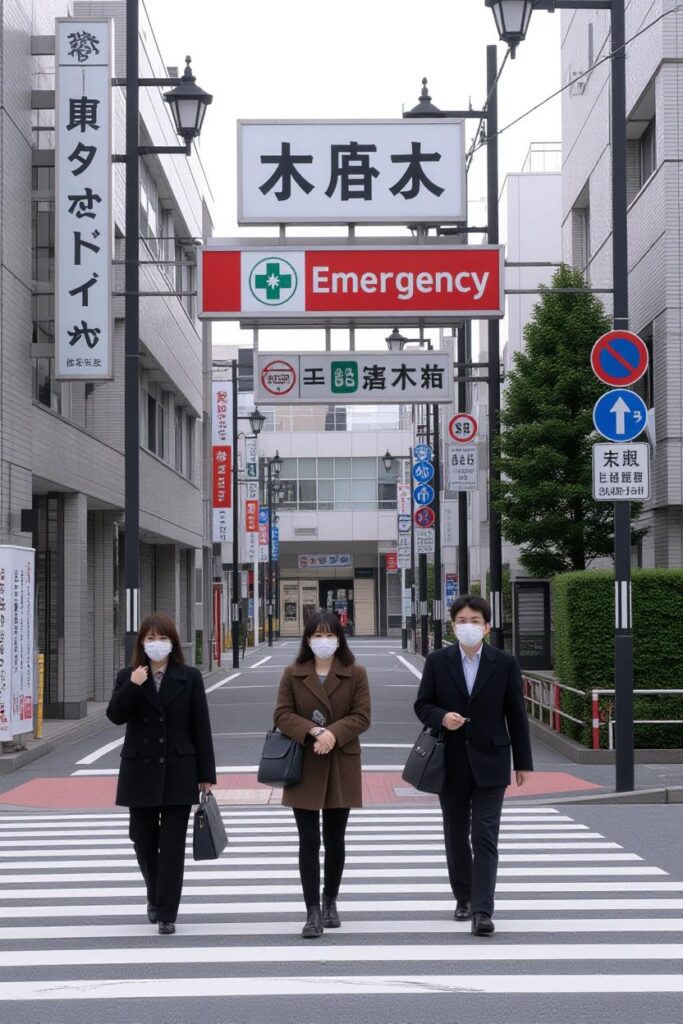
It started quietly — a few extra coughs in classrooms, a few more hospital beds filling up.
But soon, Japan’s flu season arrived five weeks earlier than usual.
Now, with over 4,000 hospitalisations and more than 100 schools closed, experts are sounding an alarm that this isn’t just an early flu — it might be a faster, mutating strain.
The question isn’t just “Why Japan?”
It’s “What does this tell us about how viruses are changing — and how we should prepare?”
The Situation at a Glance
Over 4,000 people hospitalised across Japan.
More than 135 schools and childcare centres shut to curb the spread.
Tokyo, Okinawa, Kagoshima, and several prefectures worst hit.
The virus is spreading faster and appearing earlier than usual.
Experts warn of possible mutation, altering speed and severity.
Japan’s health system — known for efficiency — is now under visible strain.
What’s Really Happening?
In simple terms, the flu season came early — and stronger.
Typically, Japan’s influenza cases rise around late November.
But this time, the surge started in early October, catching both hospitals and schools off guard.
Researchers believe the virus could be mutating more rapidly, adapting to immunity built over recent years.
This isn’t unexpected — influenza viruses are famous for their flexibility.
But the speed of change this year is worrying.
The Hidden Message in Timing
Viruses have patterns — and public health systems depend on those patterns to prepare vaccines, hospital beds, and public awareness.
When those timelines shift, it’s not just inconvenience — it’s disruption.
It means the virus is writing its own schedule, not ours.
Early outbreaks like this one hint that global warming, human movement, and weakened immunity post-COVID might be altering how seasonal viruses behave.
Hospitals Under Pressure
Reports from Japanese media describe crowded emergency rooms, shortages of antiviral medicines, and tired medical staff.
In a country where discipline and healthcare efficiency are cultural norms, these scenes feel unsettling.
Doctors are urging calm but also preparing for a long, unpredictable winter.
The Mutation Question
Influenza mutates constantly — that’s why the flu vaccine changes yearly.
But this time, experts suspect that mutation may be happening faster, allowing the virus to evade existing immunity.
It’s not confirmed yet, but Japan’s National Institute of Infectious Diseases (NIID) is conducting genomic studies.
If the strain is indeed faster-spreading, it could mean the global flu model — used for vaccine predictions — may need recalibration.
A Lesson for the World
This outbreak isn’t just Japan’s problem.
In a hyperconnected world, one nation’s flu wave can become another’s health emergency in weeks.
The story of this outbreak reminds us that pandemics don’t arrive unannounced — they whisper first.
Japan’s “early flu” might be that whisper for the rest of us.
What Can Be Done
Accelerate Flu Vaccination Campaigns – Especially for seniors and children.
Increase Viral Surveillance – Genetic sequencing helps track mutations early.
Public Awareness – Masks, hygiene, and timely reporting still work.
Hospital Readiness – Temporary beds, emergency stocks, and staff support.
Cross-Border Coordination – WHO and Asian countries must share real-time data.
Key Takeaways
Over 4,000 hospitalisations and 100+ schools shut across Japan.
Outbreak arrived 5 weeks earlier than usual.
Possible mutation accelerating spread.
Hospitals facing stress; vaccines under review.
Japan’s response could guide global preparedness.
Closing Thoughts — The Human Side of a Virus
I remember walking through Shinjuku Station once — thousands moving in silence, masks on, yet life in motion. That’s Japan’s resilience.
This outbreak will test that same quiet strength.
It’s a reminder: technology can’t always predict biology.
Viruses don’t read calendars or rules — they respond to change faster than we do.
The lesson?
Preparedness isn’t panic — it’s wisdom.
And Japan, once again, is teaching the world how to respond — calmly, early, and together.
Social Media Version (100 words)
Japan’s flu season came 5 weeks early, with 4,000+ hospitalised and 100+ schools closed.
Experts suspect the virus may be mutating faster, testing Japan’s strong healthcare system.
This could reshape how the world prepares for flu seasons.
Is this a warning that nature’s clock is changing faster than ours?
FAQ
Q1: Why did Japan’s flu season start early?
→ Likely due to climate changes, post-pandemic immunity shifts, and viral mutation.
Q2: Is this a new virus?
→ No, it’s influenza — but possibly an evolved strain.
Q3: Is it as dangerous as COVID-19?
→ Not currently, but faster spread means higher stress on hospitals.
Q4: What precautions can people take?
→ Early vaccination, wearing masks, and avoiding crowded indoor spaces.