Echoes of Sorrow: The Bilaspur Landslide That Shook Himachal – President Murmu’s Heartfelt Condolences
It’s a crisp October morning here on October 8, 2025, and as I sip my chai staring at the Aravalli hills from my Jaipur balcony, the news from Himachal Pradesh hits like a cold gust. Yesterday evening, in the rugged embrace of Bilaspur’s Jhandhuta subdivision, a private bus met a monstrous fate. Around 6:30 PM, as the monsoon rains—lingering like an unwelcome guest—pounded the hills, a massive landslide roared down, burying the vehicle under tons of boulders and mud near Balurghat. What started as a routine journey for 25-30 passengers turned into one of the state’s deadliest tragedies this season, claiming at least 15 lives and leaving several injured. As rescue teams claw through the debris even now, President Droupadi Murmu’s words echo: “extremely tragic.” It’s a stark reminder of how nature’s fury can upend lives in a blink, especially in our fragile Himalayan folds.
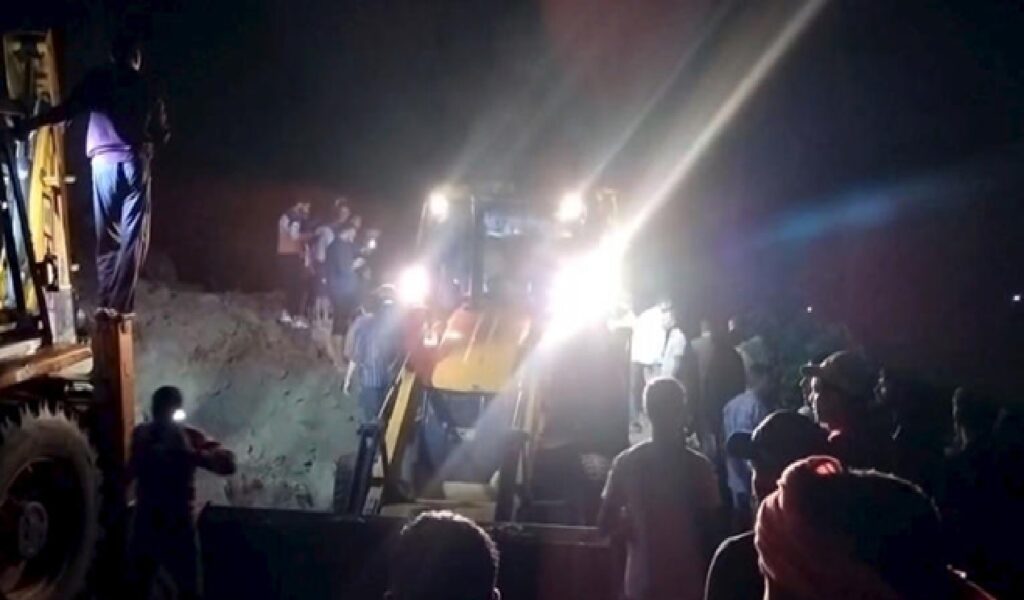
Let me paint the scene for you, pieced from frantic updates rolling in overnight. The bus, a nondescript HRTC private shuttle ferrying locals from nearby villages to Bilaspur town, was navigating that treacherous ghat stretch when hell broke loose. Eyewitnesses—fellow villagers who scampered to safety—described it as “the whole mountain crashing down,” a wall of earth and rock swallowing the road in seconds. No warnings, no time to brake; just the roar of tumbling boulders amid sheets of rain. By nightfall, the toll stood at 15 confirmed dead, with 18 rescued—three of whom were rushed to the hospital in critical condition. Deputy Chief Minister Mukul Agnihotri, rushing to the site himself, painted a grim picture: “Around 25-30 people were on board… I am going to the spot right now.” Search operations stretched into the wee hours, with fears that more bodies might still be trapped under the 50-foot pile of sludge.
As dawn broke today, the machinery of mercy kicked into overdrive. State Disaster Response Force (SDRF) teams, backed by local police and NDRF if needed, deployed JCBs and excavators to sift through the muck. Additional Deputy Commissioner Om Kant confirmed: “Rescue operations are being carried out,” amid intermittent drizzles that only complicated the terrain. Chief Minister Sukhvinder Singh Sukhu, monitoring from Shimla, didn’t mince words. “The state government stands firmly with the affected families in this hour of distress and will provide every possible assistance,” he vowed, instructing districts to fast-track relief and ensure the injured get top-notch care. He’s in constant touch with Bilaspur admins, demanding minute-by-minute updates. It’s heartening to see the gears turn—ex-gratia payments rumored at ₹4-5 lakh per family, but the real ache is irreplaceable.
And then, cutting through the chaos like a balm, came President Murmu’s voice. In a poignant X post late last night, she laid bare the nation’s grief: “The news of the deaths of several people in a bus accident caused by a landslide in Bilaspur, Himachal Pradesh, is extremely tragic. I express my condolences to the families who have lost their loved ones and pray for the speedy recovery of those who have been injured.” Simple words, yet they carry the weight of Rashtrapati Bhavan. In a country where leaders’ tweets often feel scripted, hers lands with raw empathy—perhaps drawing from her own tribal roots in Odisha’s hills, where landslides aren’t strangers. It’s not just condolence; it’s a call to collective mourning, urging us to hold space for the unnamed victims: a schoolteacher heading home, a young bride visiting kin, laborers chasing daily wages.
This isn’t Himachal’s first brush with such sorrow. Remember the 2023 Mandi cloudburst that swept away villages? Or the Allain Dunang bridge collapse earlier this year? The hills, our “Dev Bhoomi,” are a paradox—breathtaking beauty laced with peril. Heavy rains this monsoon have already triggered over 200 landslides across the state, snarling highways and stranding thousands. Bilaspur, with its serpentine roads hugging steep slopes, is a hotspot. Experts blame it on unchecked deforestation, climate change amping up erratic weather, and aging infrastructure—roads widened for tourism but not fortified against fury. The bus, they say, was no outlier; many ply these routes overloaded, tires bald from the grind. As BJP President JP Nadda joined the chorus of condolences—”deeply saddened by the tragic loss”—one can’t help but wonder: When will we invest in early warning systems, geo-fencing slopes, or mandatory monsoon audits for public transport?
Home Minister Amit Shah echoed the pain on X: “Extremely saddened by the bus accident due to a landslide in Bilaspur.” PM Modi’s office is tight-lipped so far, but expect an announcement soon—perhaps a relief fund boost or NDRF scaling up. On the ground, locals are stepping up too. Village panchayats in Jhandhuta are pooling resources for funerals, while Shimla NGOs airlift supplies. Social media’s a flood of PrayForBilaspur, with celebs like Virat Kohli sharing Murmu’s post, amplifying the call.
But beyond the headlines, this tragedy whispers deeper questions. Who were these 15 souls? Reports trickle in: A family of four from a remote hamlet, wiped out en route to a wedding; an elderly couple returning from a temple darshan; youth dreaming of city jobs. Their stories, soon to fade into stats, remind us of the human cost of geography’s gamble. In my travels through Spiti last summer, I chatted with a driver who quipped, “Hills give life, but they take it back without notice.” Truer now than ever.
As Himachal heals—rescues wrapping up by afternoon, autopsies underway—President Murmu’s prayer lingers: Speedy recovery for the wounded, peace for the departed. It’s a nudge for us all: Donate to relief (CRY or local HP funds), advocate for resilient infra, or just pause in gratitude for safe journeys. This Bilaspur nightmare isn’t just news; it’s a mirror to our vulnerabilities. What’s your hill horror story? Or how can we safeguard these roads better? Share below—let’s turn grief into action.