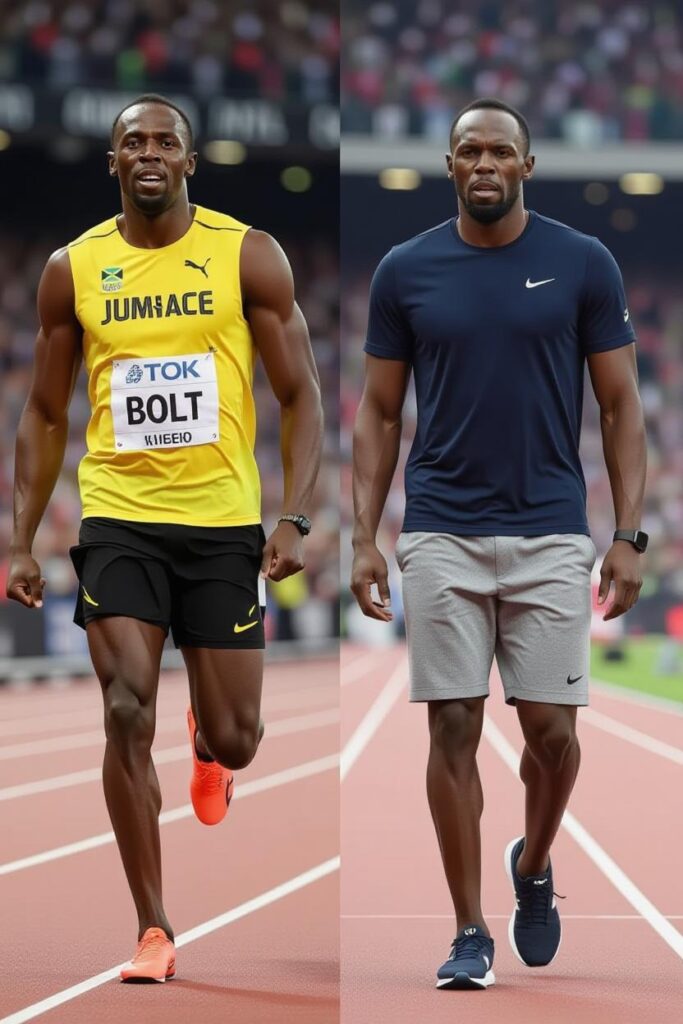
Usain Bolt’s Struggles: From Fastest Man Alive to Climbing Stairs
When you think of Usain Bolt, you think of speed, records, and electrifying celebrations. Known as the world’s fastest man, Bolt dominated sprinting for over a decade. But in a recent revelation, the Olympic legend admitted that he now struggles with something as simple as climbing stairs.
The news shocked fans worldwide, sparking conversations about life after athletics, the toll of injuries, and what retirement really looks like for world-class athletes.
The Rise of Usain Bolt
Usain Bolt’s career is nothing short of legendary.
8-time Olympic gold medalist
11-time World Champion
World records in the 100m (9.58 sec) and 200m (19.19 sec), still unbeaten.
Bolt wasn’t just a sprinter — he was a global icon who redefined track and field with his charisma, dominance, and lightning-bolt pose.
The Silent Toll of Sprinting
But behind the gold medals and world records lies a story of wear and tear. Sprinting at the highest level puts extreme pressure on joints, especially the knees and back.
Bolt has openly shared that he now suffers from chronic knee pain and mobility issues, which make everyday activities — like climbing stairs — a struggle. Years of pushing his body to the limit have caught up, highlighting the physical price of greatness.
Why Athletes Face Such Struggles Post-Retirement
Usain Bolt’s case isn’t unique. Many athletes experience severe physical challenges after retirement:
Repetitive stress injuries from years of intense training.
Surgeries that solve immediate problems but cause long-term stiffness.
Reduced muscle mass after stepping away from professional training.
Mental battles with identity and lifestyle changes.
For Bolt, who once flew down the track at record-breaking speeds, these struggles feel like a stark contrast to his former self.
Lessons From Bolt’s Journey
Usain Bolt’s story is more than just about pain — it’s a reminder of the importance of health management, post-retirement care, and balanced lifestyles.
Key Takeaways:
Longevity matters more than short-term wins.
Recovery and physiotherapy should be taken as seriously as training.
Even legends are human — caring for your body today determines how well you live tomorrow.
Usain Bolt may no longer dominate the tracks, but his story is far from over. His current struggles remind us that even legends face human limitations.
From sprinting glory to battling daily challenges, Bolt’s journey is an inspiring lesson in resilience, acceptance, and redefining success beyond medals.
While he may struggle to climb stairs today, Usain Bolt will always stand tall as the man who redefined speed for the world.
FAQ About Usain Bolt’s Current Struggles
Q1. Why is Usain Bolt struggling with stairs now?
Due to long-term injuries, especially in his knees, from years of sprinting at elite levels.
Q2. Has Usain Bolt had surgeries?
Yes, he has undergone medical treatments for injuries, but the long-term effects remain.
Q3. Is Bolt completely retired from sports?
Yes, Bolt retired in 2017 and has since focused on business, family, and philanthropy.
Q4. Can he recover fully?
With proper rehab and lifestyle management, he can ease the pain, but complete recovery is difficult.
Q5. What does Bolt do now?
He invests in businesses, mentors athletes, and enjoys time with his family while staying active in sports communities.