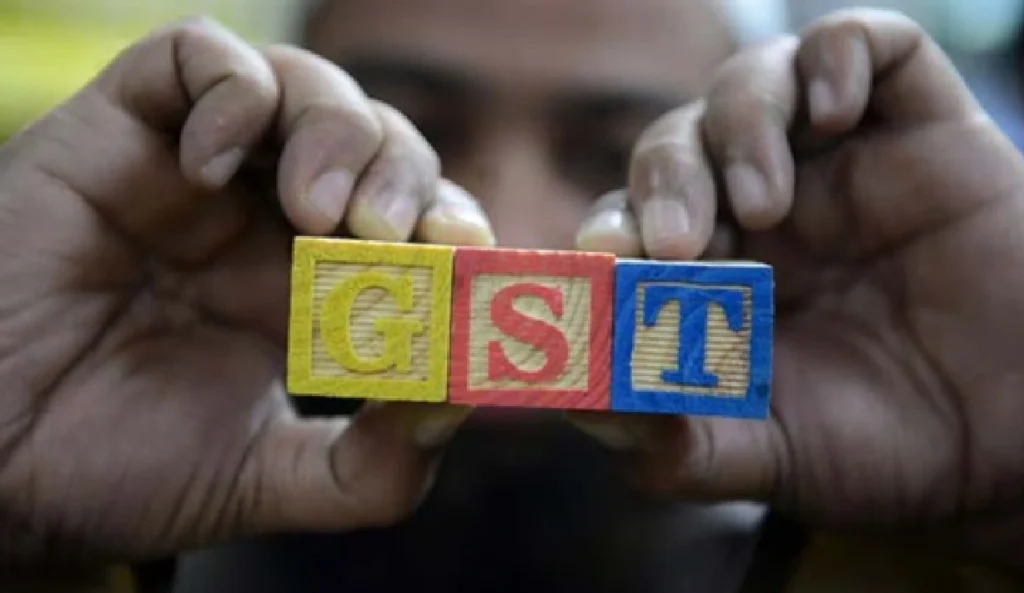
GST Reforms May Cost Government ₹3,700 Crore: SBI Report
India’s tax landscape is once again in the spotlight. According to a recent State Bank of India (SBI) report, the government could face a revenue loss of nearly ₹3,700 crore due to the latest GST reforms. While these reforms are aimed at simplifying compliance and boosting transparency, the financial trade-off is raising questions about their long-term impact.
Why GST Reforms Are Happening
Since its rollout in 2017, the Goods and Services Tax (GST) has been a game-changer for India’s indirect taxation system. However, businesses and policymakers have consistently raised concerns about:
- The complexity of multiple tax slabs.
- Input tax credit restrictions.
- High compliance burden for small and medium enterprises (SMEs).
The new reforms seek to:
- Streamline processes.
- Remove outdated loopholes.
- Make GST business-friendly while encouraging better compliance.
The Cost of Reforms: ₹3,700 Crore Revenue Loss
The SBI report highlights that the government could lose ₹3,700 crore in tax collections in the short term. This is primarily because of:
- Rate rationalization: Lowering certain tax rates to reduce burden on businesses.
- Simplified compliance: Relaxing filing requirements could reduce penalties and fees.
- Policy adjustments: Aimed at boosting consumption but temporarily reducing revenue.
While this looks like a setback, experts believe it’s a strategic investment in strengthening India’s long-term economy.
What It Means for Businesses
For Indian businesses, especially startups, SMEs, and exporters, the reforms come as a relief. Lower tax rates and simplified rules mean:
- Reduced compliance costs.
- Easier cash flow management.
- Better competitiveness in global markets.
Large corporations, too, benefit from predictable taxation structures that make long-term planning easier.
Impact on Consumers
Consumers may see lower prices on certain goods and services, depending on which tax slabs are reduced. For middle-class households, this could mean higher disposable income and increased spending power.
Government’s Strategy Moving Forward
The government is likely betting on the long-term benefits of higher compliance and consumption. By making GST simpler and more transparent, more businesses will willingly join the system, eventually offsetting the short-term revenue dip.
SBI analysts argue that economic growth and wider tax participation could outweigh the immediate ₹3,700 crore loss.
FAQs
Q1: What is the main reason for the ₹3,700 crore loss?
It comes from rationalizing tax rates, reducing penalties, and simplifying compliance measures.
Q2: Will consumers benefit from the GST reforms?
Yes. Lower GST rates on certain items could reduce prices and improve affordability.
Q3: How do businesses gain from the reforms?
They face fewer compliance hurdles, lower costs, and better cash flow management.
Q4: Can the government recover the revenue loss?
Yes, in the long run, through higher compliance, economic growth, and broader tax participation.